
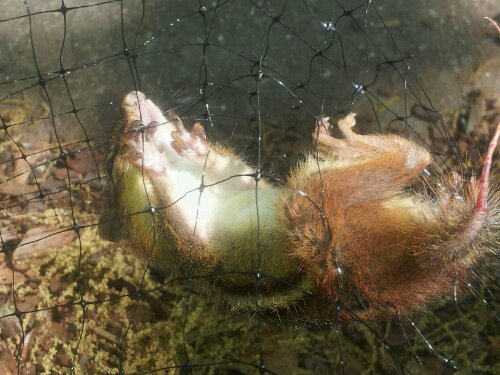
I found this little bugger caught in the strawberry netting this afternoon. It looks like a cat got his tail. He did a number on the nets and stakes trying to wiggle free.
I found this little bugger caught in the strawberry netting this afternoon. It looks like a cat got his tail. He did a number on the nets and stakes trying to wiggle free.
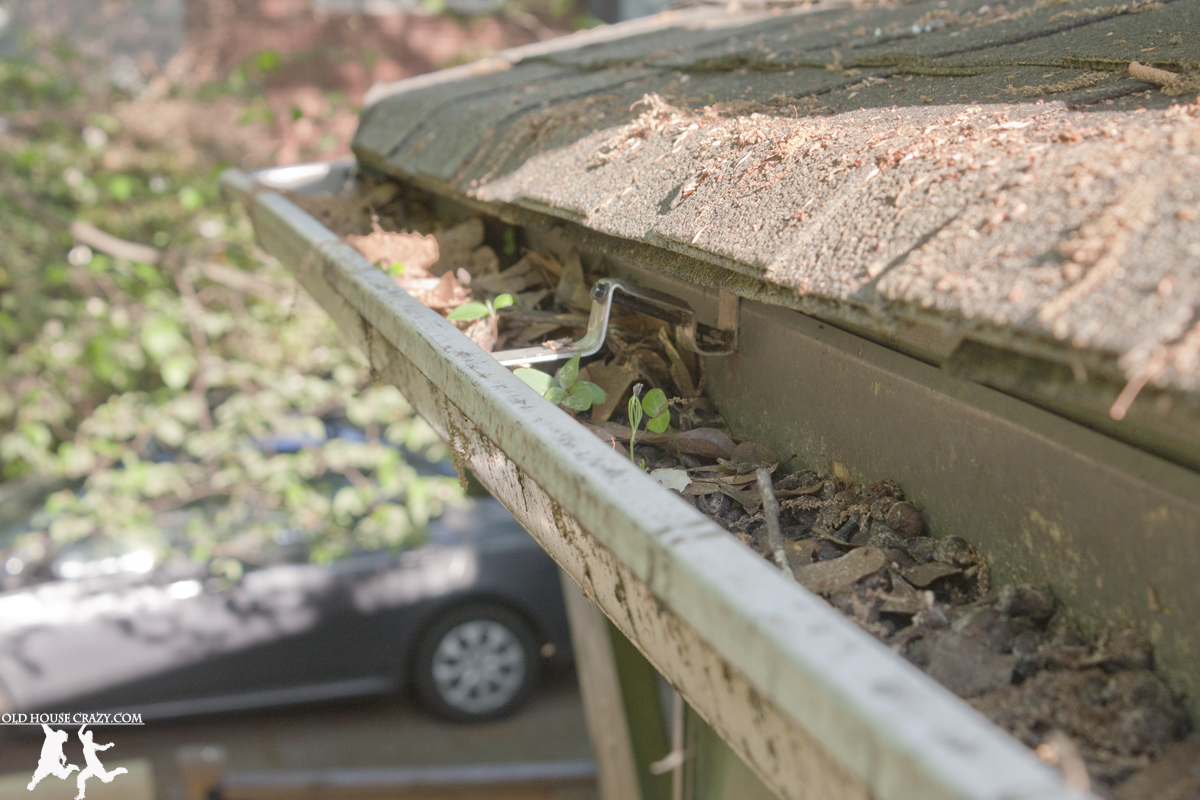
If you’re anything like me, you didn’t clean out your gutters at the very end of last fall or throughout the entire winter. I can’t blame you, it was cold. However, due to the natural course of things, those last few leaves, acorns, and the spring’s pollen are now fairly decomposed inside of your gutters. This presents a problem. Normally, I use a blower to blow the leaves out of the gutters before they start decomposing. This works wonderfully, as the leaves just fall nicely on the ground and we rake them up with all the others that missed the gutters.

If I used the blower at this point in the leaves’ decomposition, I’d get smelly, partly decomposed leaves all over everything around the house. Then I’d have a pretty substantial clean-up job. On top of that, the blower won’t get out all of the resulting dirt that many of the leaves have transformed into during their winter of decompostion.

The two photos above show everything you’ll need to clean out the mess in your gutters at this point in the game: a ladder, some gloves, and a five gallon bucket. If you haven’t got a ladder that will reach to the tallest part of your roof, I highly recommend you get one. I’ve used ours countless times over the three years we’ve owned our home. However, make sure to either store it in your basement or lock it to a tree or something. Stinking, nasty, turds of people will use your own ladder to break into your house if you give them the chance. Lock it up. High quality, leather gloves are a must for anyone who wants to do work around the house. I found four ant nests in my gutters as I cleaned them this time. It would suck to stick a bare hand into that biting, stinging, mess. If you don’t have any five gallon buckets, go to Lowe’s or Home Depot and pick some up. Again, I’ve used them countless times.

This is what came out of the gutter you see in the first photo of this post. It looks more like dirt than leaves. That’s because it IS more dirt than leaves. You can spread this stuff on your gardens or throw it on a compost pile. Imagine using a blower to spread this mess all over your car, driveway, bushes, and the side of your house. Niiiice. This time of year, you’ve just got to pony up and get your hands dirty, scooping this stuff out by hand. That’s the secret to gutters, you’ve got to clean them by hand about once a year. It sucks, but it’s necessary.

At this point, you might be wondering if you can just keep the leaves out of your gutters. TV commercials tell me there are literally hundreds of ways to keep leaves out, and ALL of them work and are easier than cleaning out your gutters. Sure. Go for it. As you can see in the photo above, I installed screens on my gutters all the way around two years ago. The stretch of gutter in the photo is the only stretch where the screens are still in place. Notice how much shade you see in the photo. The lack of shade indicates a lack of trees over these screens. Yes, this gutter was still clean. Yes, its screens are still in place. But there are no tree branches over it to fall and knock off the screens. There are also hardly any leaves falling on this section of our house. The screens have done a fantastic job of keeping out the nothing that falls on them. Everywhere else, the screens let in leaves and I had to peel the screens off in order to clean under them. They’re a waste of money. Don’t buy them.

You can also spend thousands of dollars on those covered gutters where the water slides around the edge and the leaves stay out. My neighbor has those. She tells me that the pin oak leaves that fall from the gigantic pin oak trees around our house are small enough that they slip inside the gutters anyways, thousands of dollars or not.
If you know something I wish I knew about gutters or gutter maintenance, please leave a comment below. I’ve shared all I know. Please keep the knowledge sharing going. Thanks for reading. -Robby
Last summer, Christy and I began to compost our kitchen waste using a worm bin. Since then, we’ve had a lot of people tell us that’s disgusting. Disgusting or not, it’s a super cheap way for us to both reduce our contribution to the landfill and make homemade fertilizer for our garden that kicks the pants off of the store bought chemical junk.

The bin on the left is the one we started last year. It’s a 50 gallon rubbermaid trunk. It cost 25 bucks, is waterproof, and has a pretty good seal around the lid to keep in the worms. It wasn’t in that fancy wooden rack until today. In anticipation for the second bin, I built that rack out of treated lumber I had sitting around. It really looks a lot like a pallet and is sitting on 12-inch legs in the back and 6-inch legs in the front. This helps drain the water out of the bin so the worms don’t drown.

Here’s the deal on worm bins. You order up some worms online (Search “red wigglers”. They’re better for bins than nightcrawlers). You put the worms in a container with a good lid and a food source. Water the bin – worms need water too. The worms eat all of the food you give them. The worms poop. The poop is black and looks a lot like dirt. Holy crap – The worm poop IS dirt. It’s called worm castings and is some of the best fertilizer you can buy, or make yourself.

I started this new bin by drilling a bunch of holes in the underside of the end that will sit on the bottom of the slope so the water can drain out. I then raided our paper and cardboard recycling bin and ripped up all the paper and cardboard. This will serve as a nice base for the bin and holds moisture for the worms. They also eat the paper and cardboard.

I watered the paper and cardboard so that the worms would like it.

It compressed nicely when I pressed it down with a shovel. On top of the cardboard I dumped a five gallon bucket of the junk I pulled out of our gutters today. Some sites say never to put leaves or other yard waste into your bin because it may contain other critters that could be harmful to your worms. This is a good point. You can substitute some old green stuff from your kitchen in this step – kale, mustards, broccoli, etc. Use the plants of old veggies after you’ve picked the veggies.

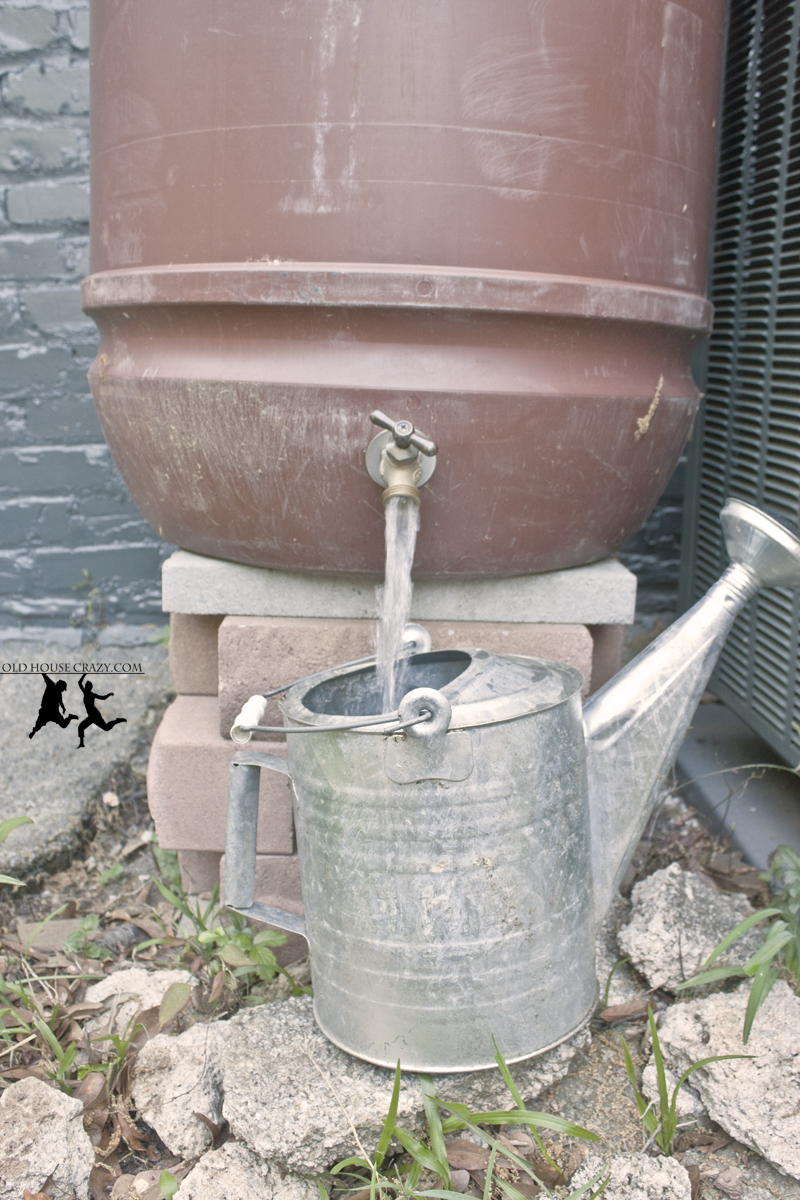
In between each layer, I added some water from the rain barrels.
After I had a nice layer of stuff for the worms to eat, I opened up last year’s worm bin to get out the worms and all the goodies they’re still working on. Heads up, some folks might think the following pictures are gross. They’re just worms eating food.

You can see that some of our scraps have begun to sprout. I think that’s some onions and the ends of a few potatoes. If you don’t want to compost those things, plant them in your garden. They’ll grow for you. Try to limit the amount of citris you put in the bin. It lowers the pH and makes the fertilizer too acidic for a lot of plants.

There’s a nice clump of worms munching on something old and tasty.

There’s a whole shovel full of worms.

After I had dug around in the old bin and removed the vast majority of worms, we had a whole bunch of beautiful, black, rich, compost to mix in with our gardens this season. It’s really very exciting. Below, you can see the two bins and their contents. Now that we’ve got two, we’ll feed scraps and more cardboard to the bin on the right while we’re scooping out of the bin on the left. Next year, we’ll switch back. Thanks for reading -Robby


 Old House Crazy