Replace the Socket in an Old Light Fixture – DIY

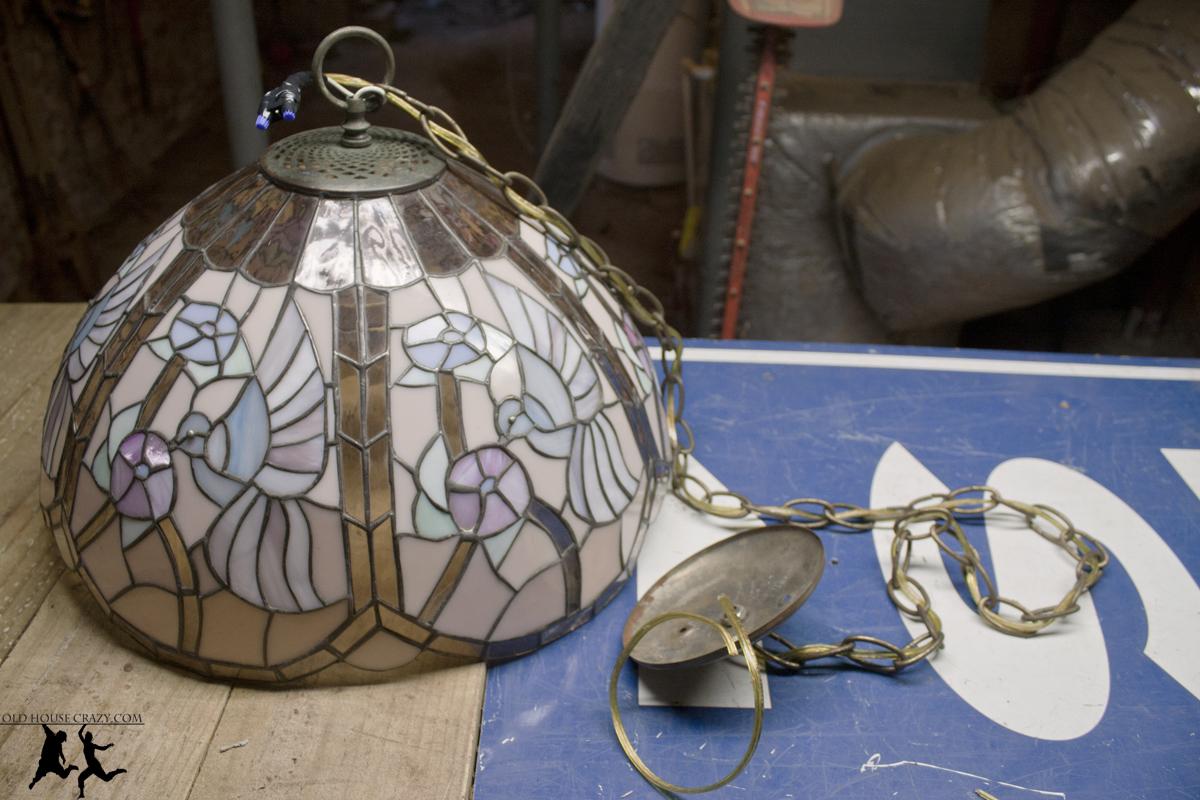
Last Friday night, Christy and I went to the auction in West End. We picked up a few cool items, including this old tiffany-style leaded glass light fixture.

As you can see, it was really dirty, and that helps explain why we were able to purchase it for $15. The electrical components were also really old and needed replacing. I wasn’t sure if I would be able to do this work or not, but we’d only be out 15 bucks if I couldn’t. After exploring for a few minutes, I discovered that, like most stuff, light fixtures don’t appear to be all that complicated. But first things first. It needed a good cleaning. I used denatured alcohol and some towels to clean the grime off. Alcohol is really good for cleaning because it evaporates quickly and is, for many things, a better solvent than water and soap.
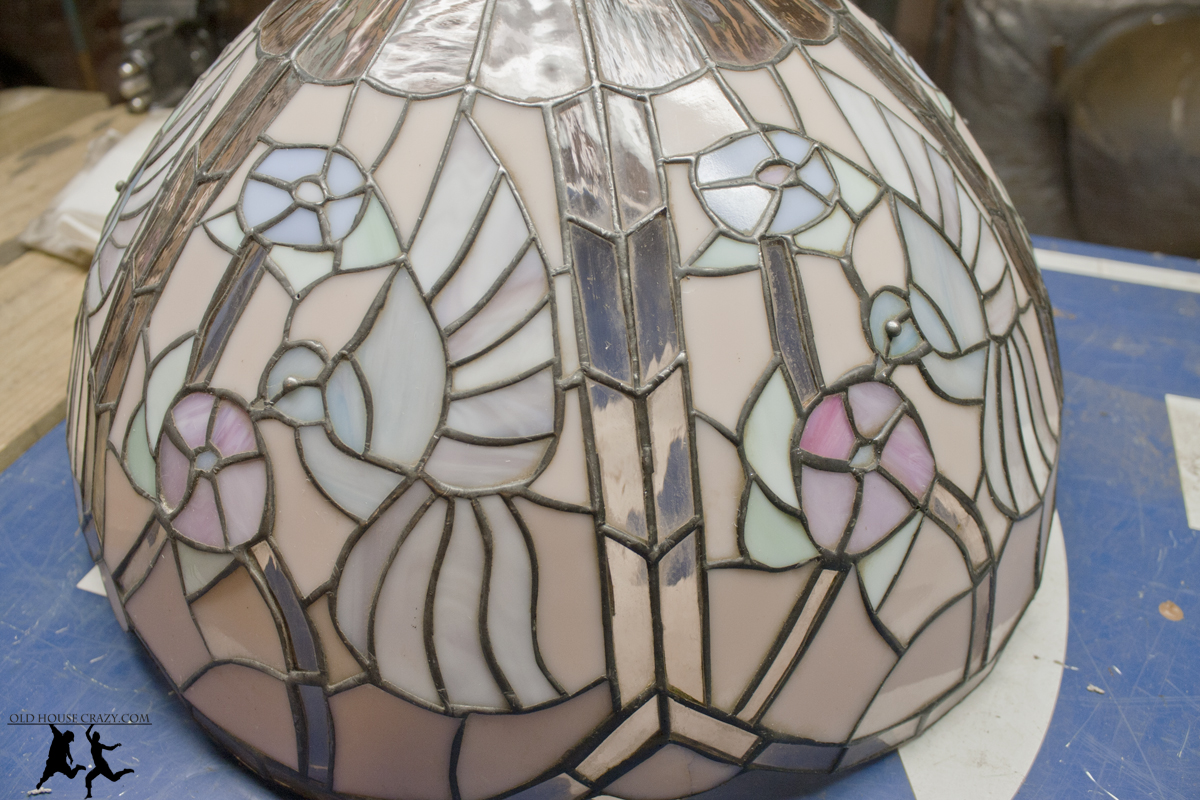
Once the glass was clean, I flipped the fixture over and started to unscrew the hardware. The whole thing was held together with just a few simple bolts, washers, and wire. Look at your fixtures – many are just that simple.

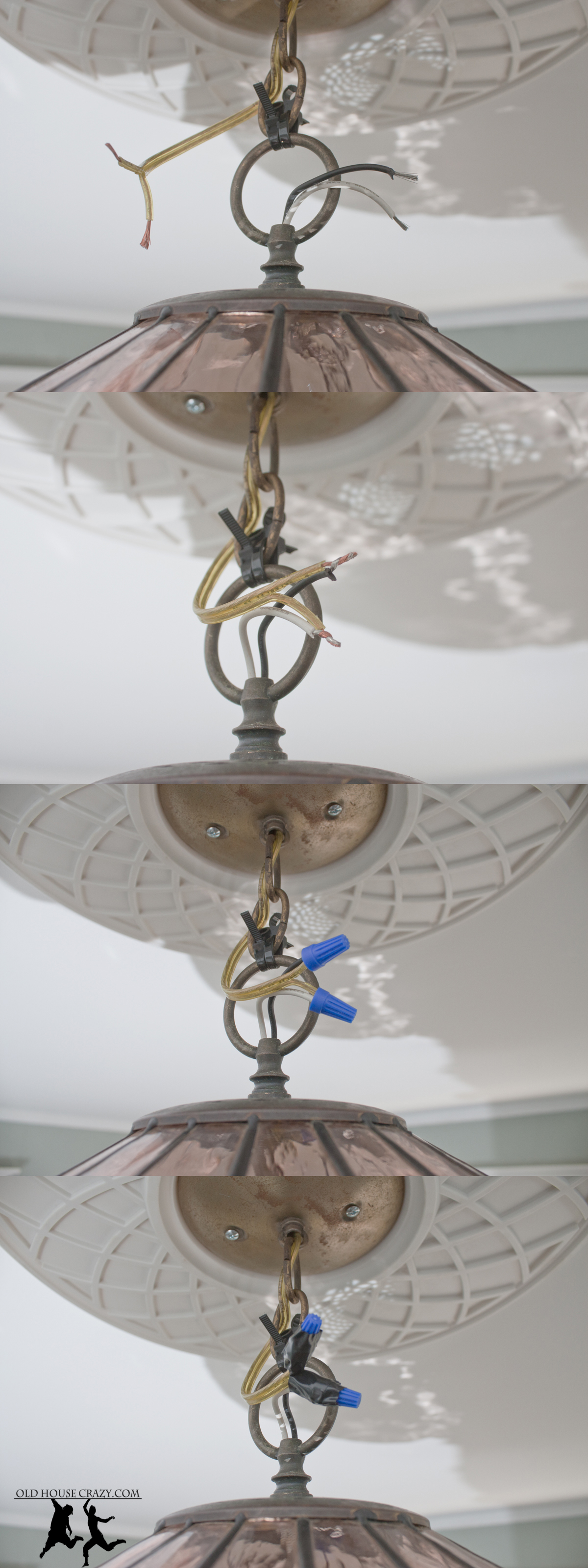
After I took apart all of the old stuff, I realized that the fixture was just a simple light socket attached to a metal bar which was threaded through the glass and attached to a chain. That’s it. I shot down to the hardware store and picked up a new socket, light fixture wire, wire nuts, and some electrical tape.
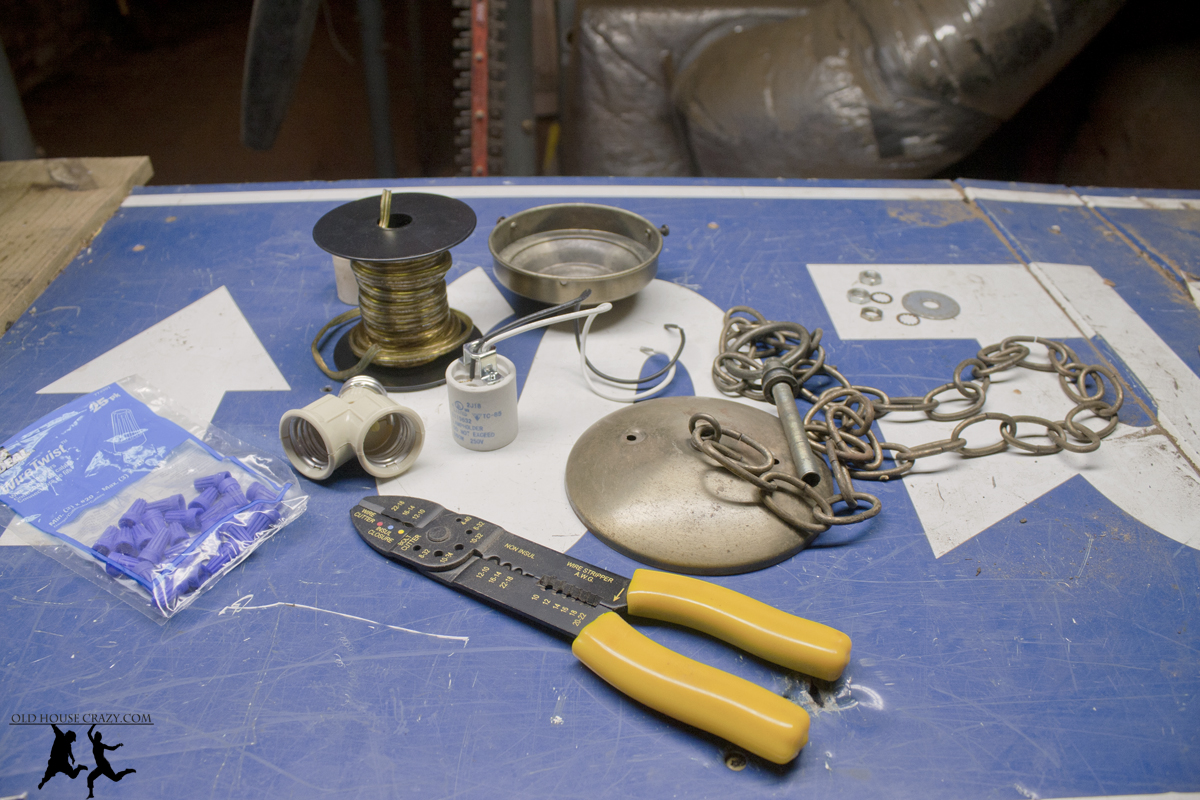
The new fixture went into the old glass just like the original. The only thing I added was a bulb splitter so we could stick two light bulbs into a single fixture for more light in our office.
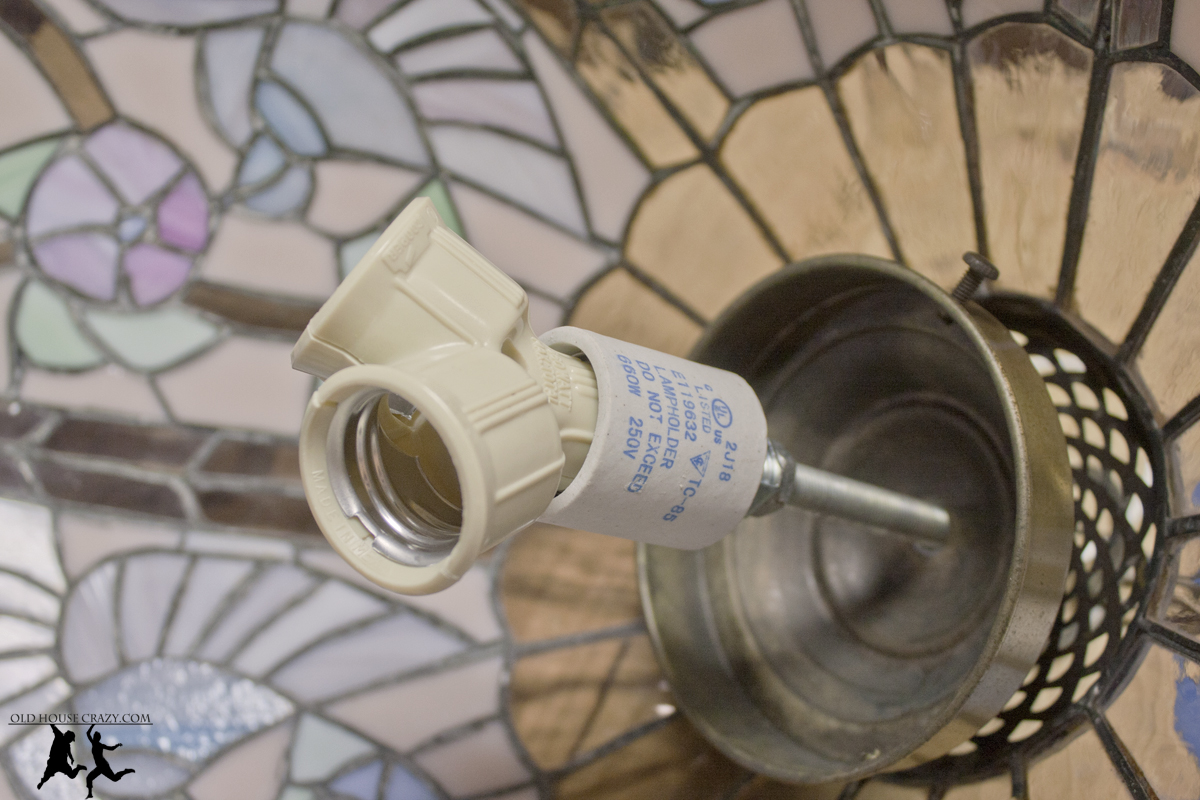
Here’s the fixture after it was cleaned up and ready to be installed.
Upstairs, I had to remove the hideous old fixture that we’ve abhored since we bought the place. It was a bit tricky because the fixture, and the screws attaching it to the ceiling, had been painted over many times. I used a screw driver and a rubber mallet to chip the paint out of the slots in the screws so that I could remove them. I then used a knife to cut a groove in the paint outlining the fixture so that it didn’t chip badly when I removed the fixture.

The plate from the old fixture was a bit wider than the new (old) one, so I bought a ceiling medallion to cover the gaping hole. I’m not going to go into detail about what went on in the electrical box because what’s happening in my ancient electrical boxes is probably different than what’s happening in your ancient electrical boxes and is DEFINITELY different than what’s happening in your new electrical boxes. Check your electrical codes and talk to an electrician.

However, when it comes to the actual installation of the fixture, just remember black connects to black and white connects to white. Use wire nuts. Cover with electrical tape.
After all was said and done, the fixture looks like this. It’s certainly an upgrade from the original fixture. Thanks for reading. – Robby

Posted in Uncategorized | 1 Comment

Let’s Go to the Auction

Christy and I enjoy our old house. We love the quirky little features and the slightly crooked walls and floors. We also really like the old hardware, light fixtures, door knobs, and appliances that came with it. The trouble is, over the years, previous owners have spent a lot of time, and not so much money, “updating” and replacing many of these quaint features with new ones purchased at Lowe’s. They lack style. They lack character. They look cheap.

To remedy this and to entertain ourselves, Christy and I love to go to auctions, estate sales, and garage sales to find cool old stuff. This past Friday, we went to an auction in West End and picked up a few really cool pieces that we’re very excited about. We spent 40 bucks, just barely more than it costs to go to the movies, and we got cool stuff to keep.

The first is an old oil lamp that’s been converted into an electric table lamp. When we bid 15 dollars on it, we thought it was kind of old and neat looking, so we were surprised when we saw the date stamped on it: March 27th 1888. It’s probably the oldest thing we’ve got. I bought a flickering light bulb for a few dollars and now it sits on our heartpine shelf.

The second item is a whimsical painting that really caught Christy’s eye. I think we paid 10 dollars for it. It’s by F.R. Assa from Nov. 1971. It makes the front room feel happy now. Thanks, Mr. Assa.

The third item we bought was a leaded glass hanging light fixture in the tiffany style. It was really dirty, looked old as the earth, and had withering and faded wires connecting the electrical components. We spent a cool 15 dollars on it, fixed it up, and now it’s hanging in our front room. I’ll be posting later today about the fixing-it-up process. Thanks for reading. – Robby
 

Posted in Better than store bought, Mood Boosters, Old Hardware | 1 Comment

Cutting a Hole in Your Roof – Installing a Vent Pipe – DIY

Holy Toledo! This is a scary job for a DIYer. Think about it. You’re cutting a hole in the only thing that is protecting your home from an endless stream of the most devastating force nature has to throw at your most important, and expensive, investment: water. But worry not. Like most home repairs, this really isn’t all that complicated or difficult. However, if you do it poorly, it could cost you thousands in water damage.

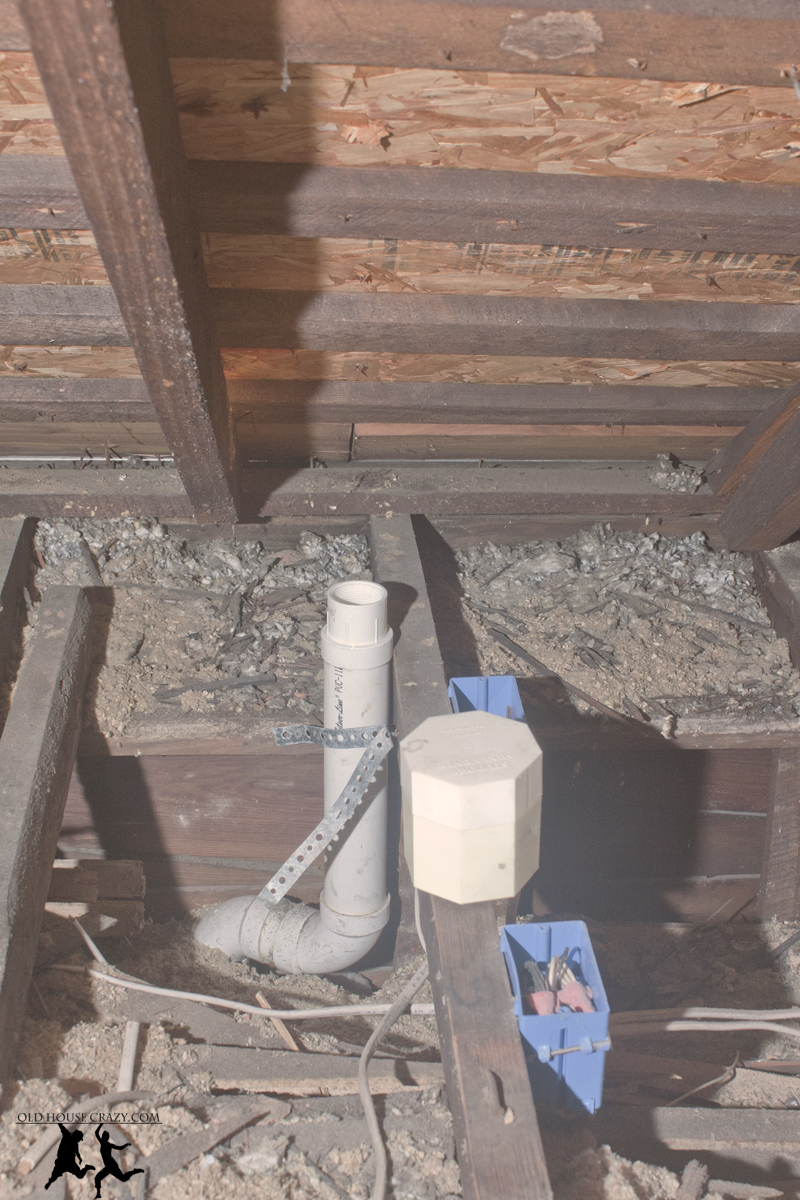
Can you find the other code violation? It's blue and doesn't have a cover.

A friend asked me to help him eliminate a sewer odor that had been coming and going since he lived in his house. You might have just thrown up a little in your mouths, I know. It was one of those things where, just when it got bad enough to hire someone to fix it, it would go away for months at a time. Then, I started this blog, and he’s all like “maybe that guy knows how to fix it”.

After rooting around in the crawl space and attic, we discovered the culprit. Some A-hole plumber (yes, many professionals are A-holes that don’t do the job professionally) installed a sewer vent that vented directly into the attic. In their defense, they did install a vent filter to pass code. Poorly. Here’s the deal: whenever you run a drain to the sewer, you’re required to run a sewer vent up and out. In well planned new construction or renovation, you can link these vents together to minimize the number of pipes coming out of the roof. In crazy old houses, which we love, there are often many generations of pipes coming out of the roof. The really old ones are cast iron. The newer vent pipes are PVC. We needed to finish the job of this old plumber.

New vent pipe extension

The first thing we needed to do was remove the old PVC coupling so that we could add a new one. The only way to separate PVC that has been bonded is to cut it. That PVC “glue” you’ve seen isn’t actually glue. It is a solvent that dissolves the PVC a little and chemically welds the two pieces together. They cannot be separated after this has occurred. We used a small hand saw to remove the old coupling, then slid a new pipe extension over the older pipe. As you can see in the photo, we angled it up using two 45 degree elbows so that our roof hole would be a little higher up the slope of the roof.

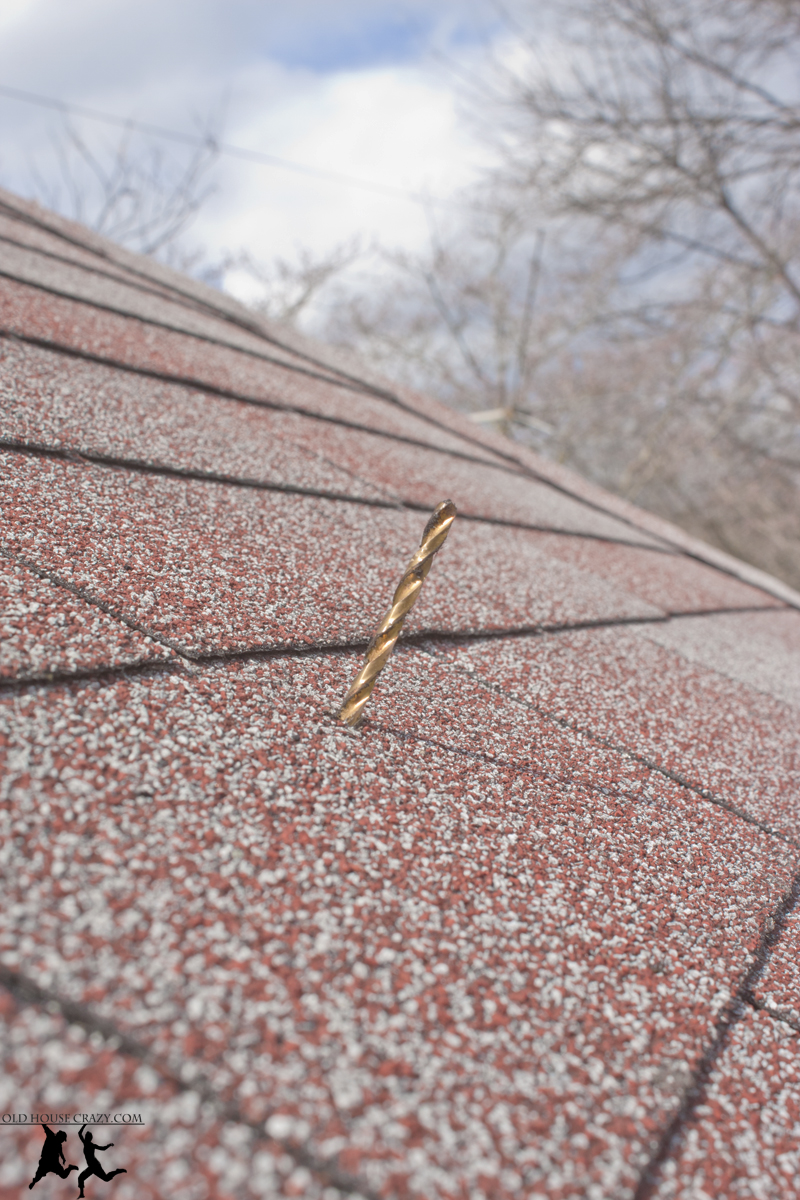
Once we had the pipe extension connected, we figured out where the new vent pipe would need to pass through the roof using a piece of scrap wood held flush with the pipe. Where the scrap wood hit the understructure of the roof, we drilled a hole straight through to the outside. Standard practice is to drive a nail through, but my friend was heart set on using a drill.

Down the attic ladder we went, climbing up the roof ladder to find our drill bit like little kids hunting for Easter eggs. Hooray! After we located the bit, we began separating the asphalt shingles and cutting out a space for the flange to go.

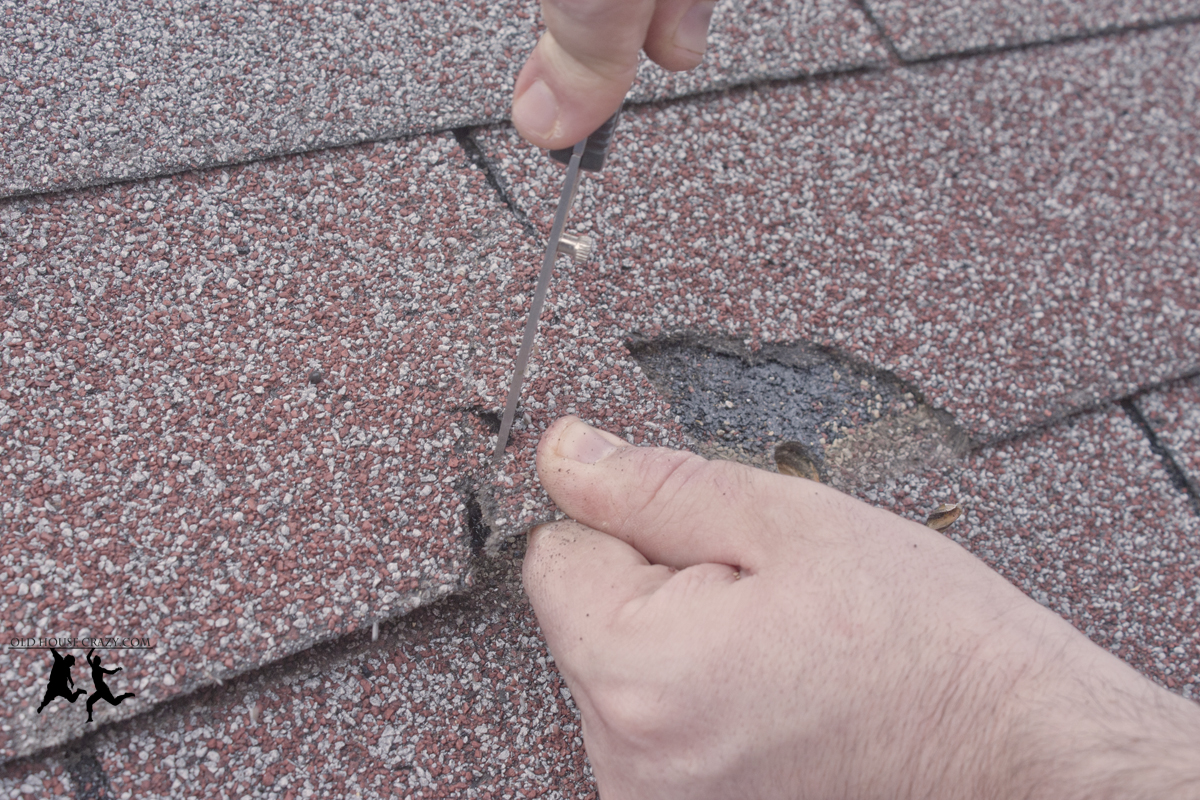
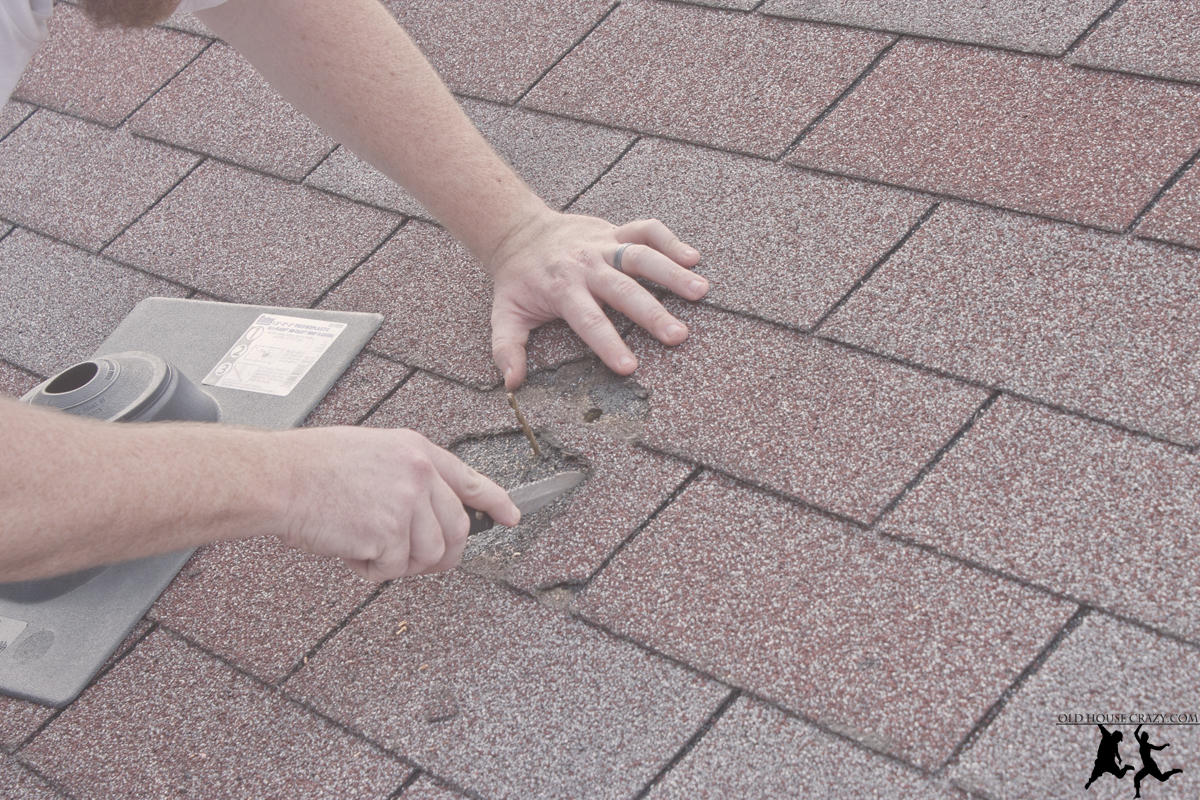
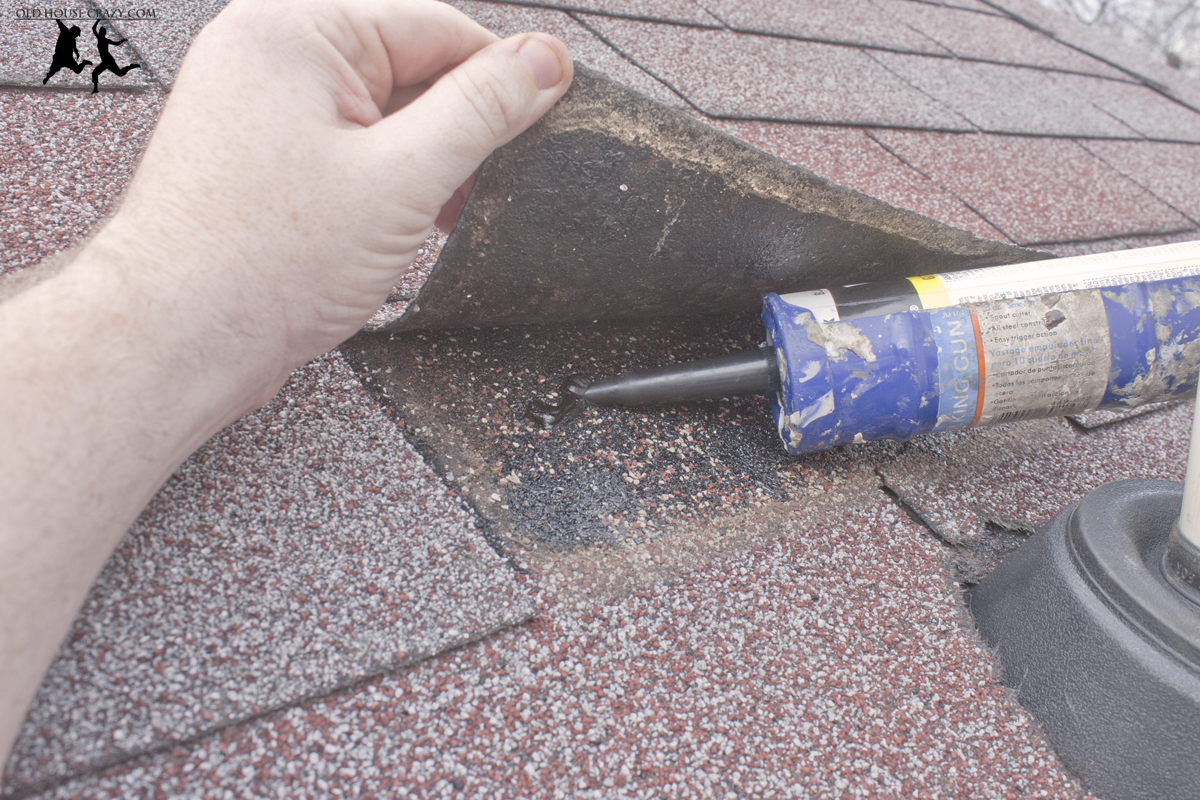
The flange needs to fit snuggly around the vent pipe and should go under as many layers of shingles as possible. Furthermore, the flange should only be exposed on the bottom half (the upper half should be covered by shingles). Asphalt shingles are brittle when new, so we were extra careful not to damage any shingles that we didn’t need to. These were not new, so this took some care.

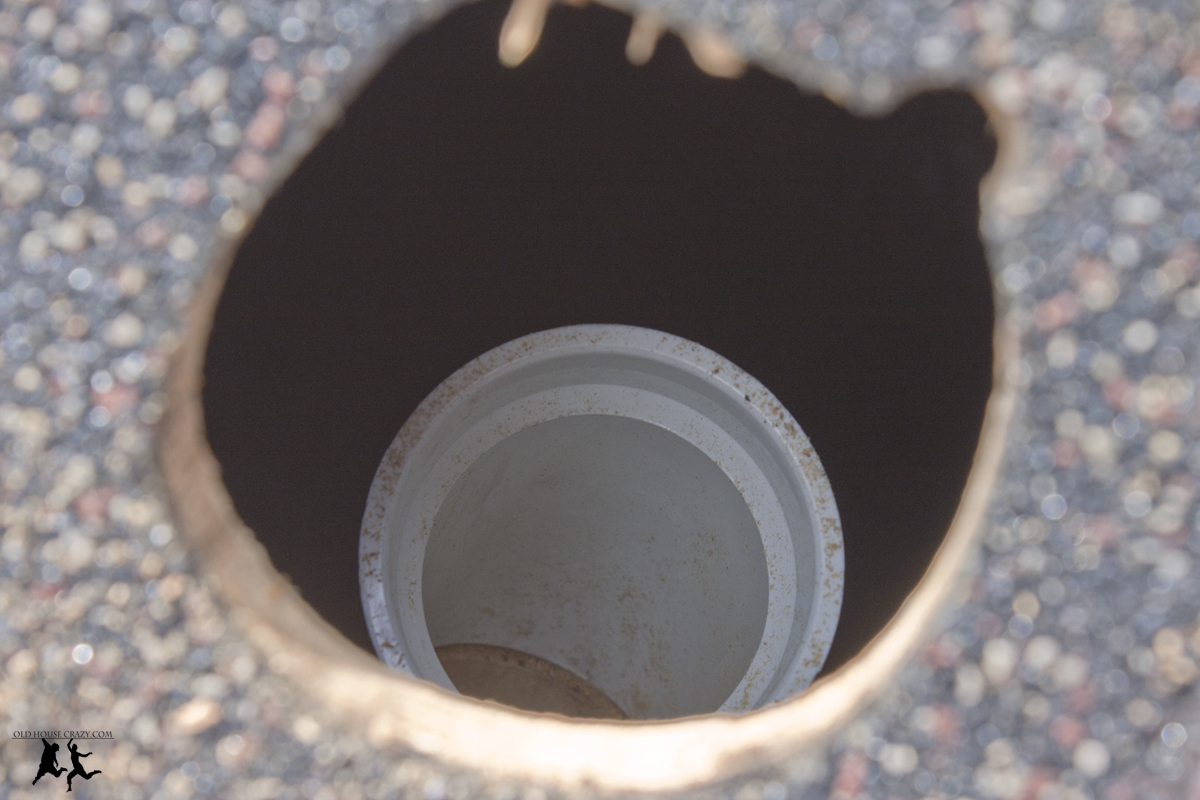
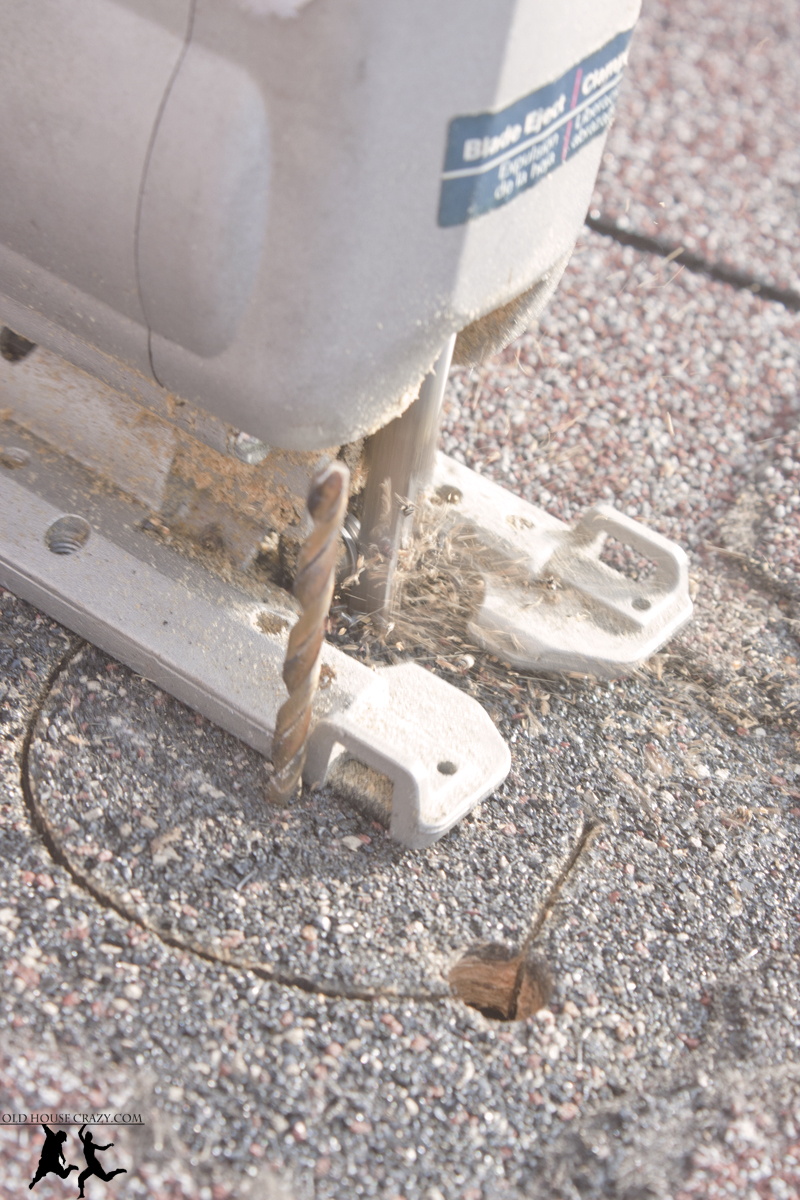
Once the shingles were prepared and some nails were removed (lift up the shingles and pull out any nails that are blocking your flange from sliding up), we used a drill to make a pilot hole, and then a jigsaw to cut out a circle roughly the size of our pipe. The hole needs to be taller than your pipe diameter, as the pipe isn’t passing through the roof at a perpendicular angle.

Now that the hole was cut, my friend ran back down the ladder and up into the attic so that we could connect the vent pipe through the roof. This can be a little tricky and required some readjustments and recuts of shingles to make it all work. Don’t sweat it. That is normal. After the pipe was through the flange and the flange was under the shingles, we used roofing nails to secure the flange to the roof.

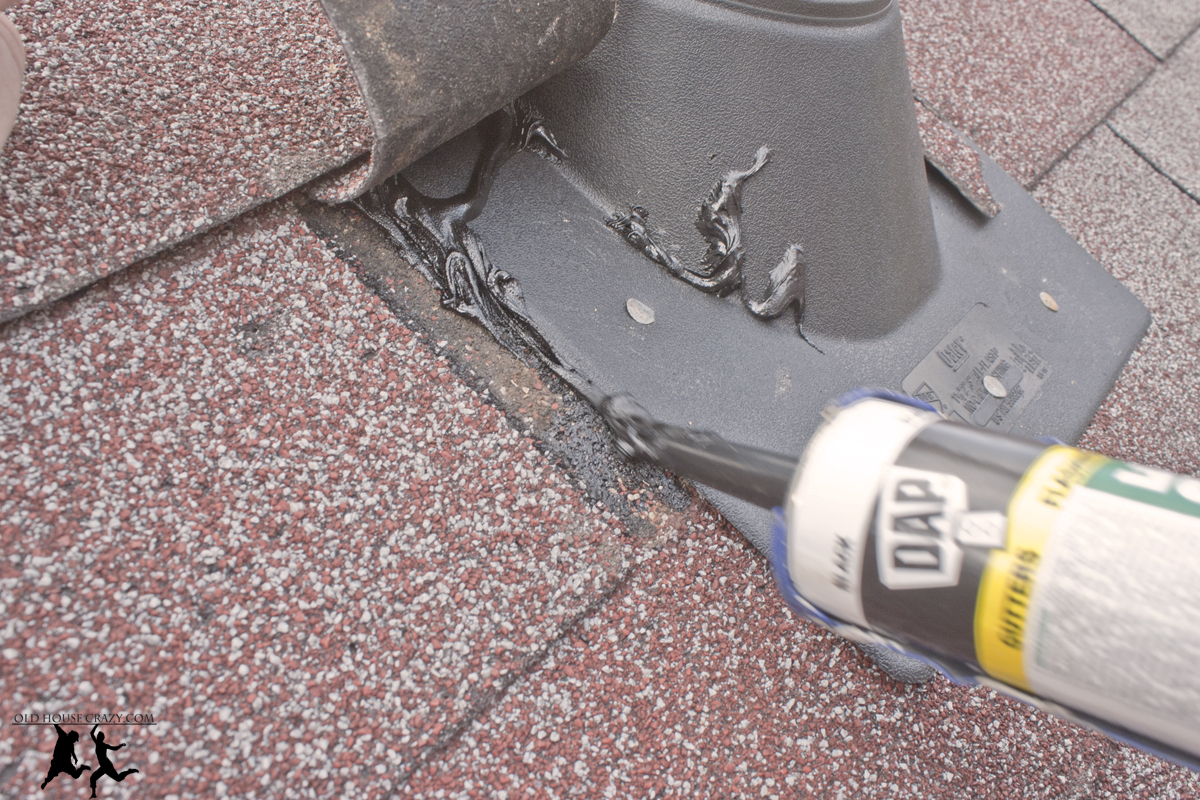
Use roofing nails to secure the flange to the roof

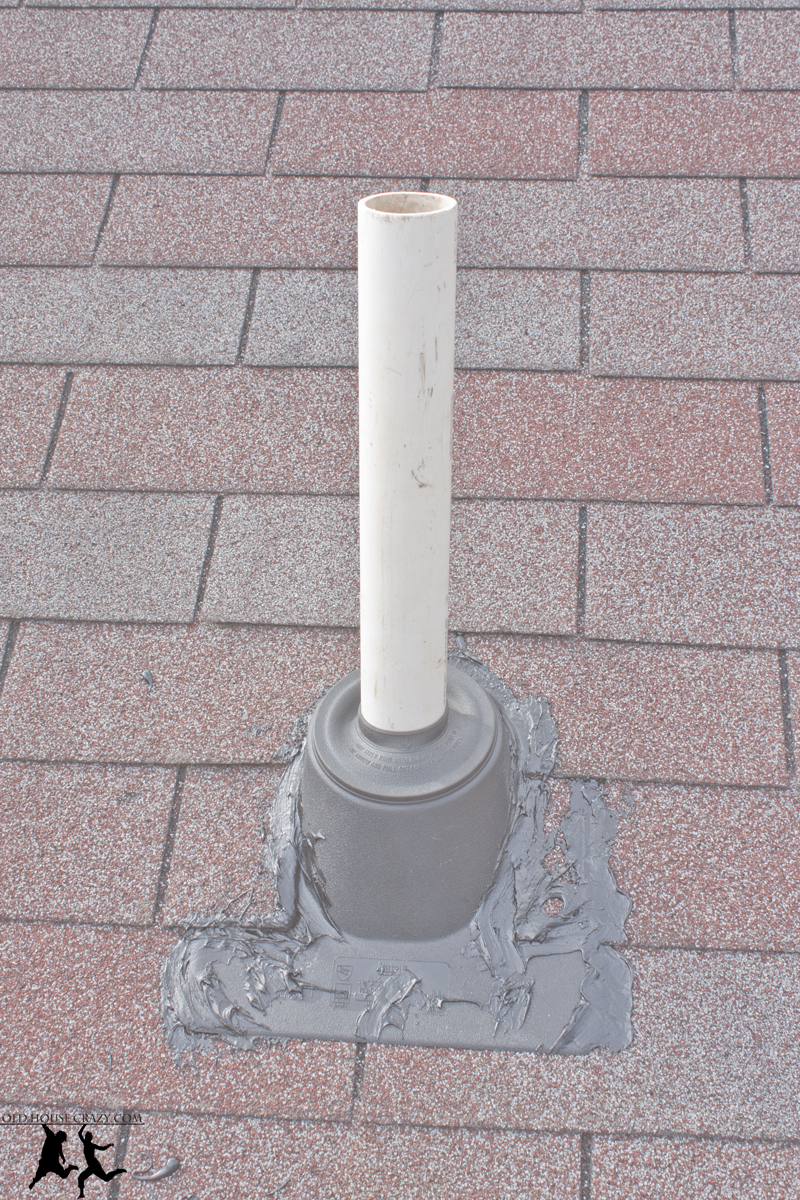
But wait! We just spent all this time being careful not to damage any shingles and then we stupidly drove nails through them!?! Isn’t that more holes in the roof. Yes. It is. But that’s why they make roofing tar, quite possibly the nastiest stuff on earth. Wear old clothes because once this stuff touches your clothes, it’s over. They’re ruined. We bought a tube of tar (you need a caulk gun) and used it to reglue the upper shingles down, cover the nail heads, seal all of the edges, and patch a few other vents on the roof that had started to crack. This stuff is also great for sealing leaking gutters or any other places where water leaks.

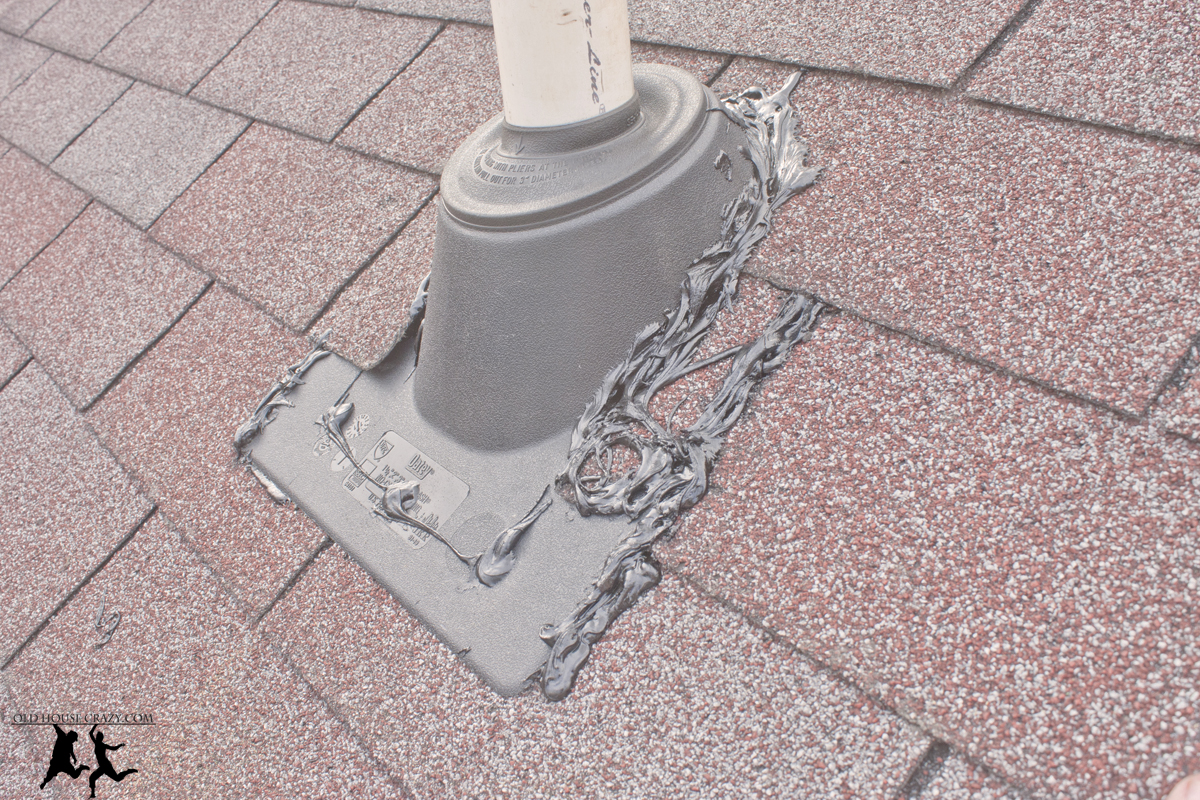
I know it’s ugly. After applying the tar, use a piece of scrap shingle or wood to smooth it out a bit. This stuff is really nasty, so don’t use a finger or anything you plan on keeping. Thanks for reading – Robby

New roof vent, sealed with tar.

Posted in Attic, DIY, Don't Hire a Professional, House Repairs, Plumbing, Roof, Tools and Techniques | Tagged , , , , , , , , | 20 Comments